
Dark-eyed Junco: The Little Snowbird in Your Winter Backyard
When the days turn cold and the first frost touches the garden, a small grey bird often shows up under the feeder. That bird is the dark-eyed junco, one of the most common winter visitors in North American backyards. Many people know it by a friendly nickname, the snowbird.
Juncos are small sparrows with clean, simple colours and a calm way of moving around the yard. They spend most of their time on the ground, hopping under shrubs and picking up tiny seeds. If you feed birds in winter, there is a good chance a flock of juncos already knows your garden well.
You do not need a field guide or sharp eyes to enjoy them. Juncos are tame, busy and easy to watch from a kitchen window. Once you learn a few simple marks, you will start seeing them everywhere in the cold months.
How to Identify a Dark-eyed Junco
A dark-eyed junco looks like it was dipped in two colours. The head, back and wings are a smooth slate grey, and the belly is a clean, bright white. The line between the grey top and the white belly is sharp and easy to see.

The bill is small, neat and pale pink, and it is made for picking up tiny seeds. The eyes are dark, which is where the bird gets its name. The legs are pale pink too, and the tail is dark in the middle with white feathers along the edges.
Those white outer tail feathers are the best clue of all. When a junco flies away, the white edges flash like a little flag for a second or two. No other small winter bird in the yard shows the same quick flash of white.
Juncos in the West can look a bit different, with brown backs or pale grey heads, because the species has several forms. The white belly, pink bill and flashing white tail feathers stay the same in every form. Once you learn those three marks, you can spot a junco in almost any winter flock.
A junco is a small, plump sparrow with a round head and a fairly long tail. It stands in a neat, upright way when it hops, and it rarely sits still for long. Its soft colours and plain pattern make it look tidy next to streaky brown sparrows.
Male, Female and Young Juncos
The male junco wears the darkest and cleanest colours. His head and upper body are a deep slate grey that looks almost black in soft light. His white belly stands out sharply against the dark grey above it.
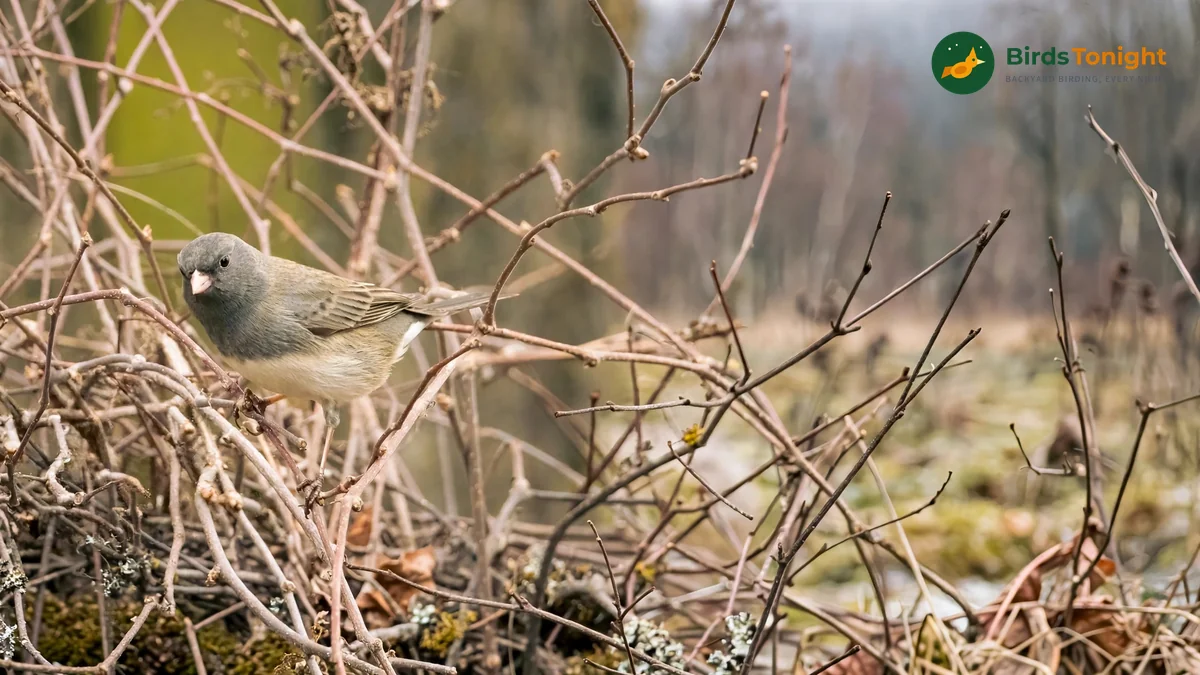
The female is softer and paler than the male. Her grey is lighter and often mixed with warm brown, above all on the back and wings. She has the same white belly and pink bill, but her colours look washed out next to his.
Young juncos look a lot like the females, with brown tones in their feathers. In their first summer, young birds can show fine dark streaks on the breast. By their first winter, most young juncos look much like the adults and are hard to tell apart.
When Juncos Arrive and When They Leave
Across most of the United States, the dark-eyed junco is a bird of fall and winter. The first birds often arrive in October, soon after the nights turn cold. Numbers build through November, and flocks then stay in gardens all winter long.
In spring, the flocks thin out as the birds head north again. Most juncos leave the southern and central states during March and April. They travel to Canada and Alaska, where they breed in forests and on cool mountain slopes.

Not every junco makes that long trip. In parts of the West and in the high Appalachian mountains, juncos stay all year round. Birds that breed in those cooler hills may only move down to lower ground for the coldest weeks of winter.
The trip between the breeding grounds and your yard can be a long one. Some birds travel hundreds of miles, while others move only a short way down a mountain. Either way, the same birds often come back to the same winter yards, year after year.
What Dark-eyed Juncos Eat
Juncos eat small seeds more than anything else. In the wild, they pick up grass and weed seeds from the ground all day long. In gardens, they love white millet, cracked corn and fine sunflower chips scattered where they can reach them.
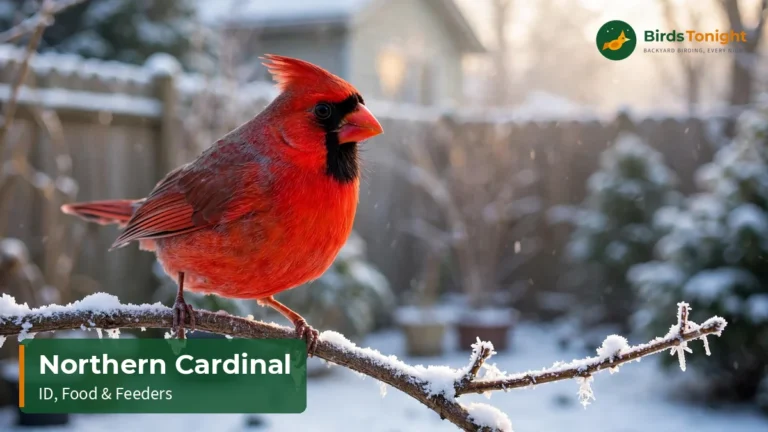
Big seeds in hard shells are not a good match for a junco’s small bill. They often wait below a feeder and eat the bits that bigger birds drop. A Northern Cardinal cracking sunflower seeds above them can feed a whole junco flock with its crumbs.
In the warmer months, juncos also eat insects, above all when they are feeding their chicks. Beetles, caterpillars and ants give young birds the protein they need to grow fast. In winter, though, seeds make up almost all of their food.
Juncos find much of their food by scratching in dead leaves and light snow. They also pick seeds from low weeds that poke up through the snow. A yard with a few wild corners can feed a flock even when the feeders run empty.

How to Attract Juncos to Your Yard
The big secret with juncos is simple: they feed on the ground, not up high. Scatter a handful of millet or cracked corn on the ground under your feeders every morning. A low tray feeder placed close to the ground works very well too.
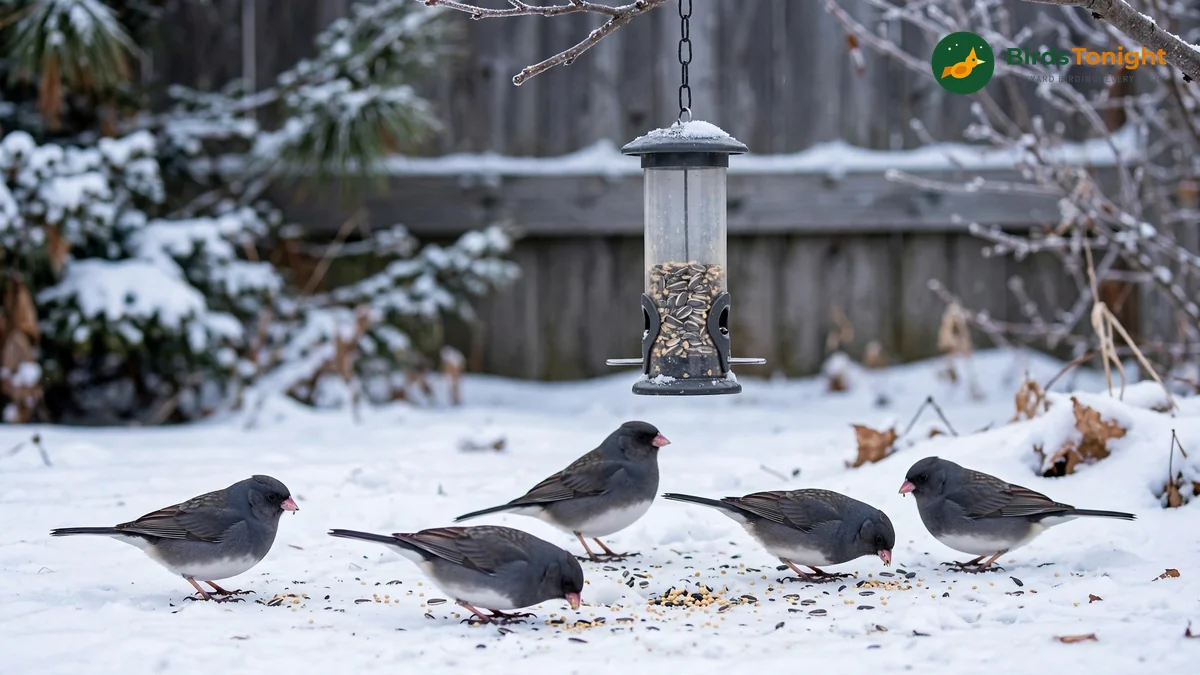
Cover matters as much as food. Leave a patch of leaf litter under your shrubs, because juncos love to scratch through it for seeds and insects. A brush pile in a quiet corner gives the flock a safe place to hide when a hawk flies over.
Keep the feeding spot close to bushes or a fence, so the birds can dart into cover in a second. Fresh water in a shallow dish on the ground is a welcome extra on cold days. With food, cover and water in place, a winter flock will often return to the same yard every single day.
Put the seed in the same spot each morning, and the birds will learn the routine fast. Juncos are creatures of habit, and they check their favourite corners first thing every day. A steady routine turns a passing flock into regular guests for the whole season.
Junco Behaviour: Life in a Winter Flock
The nickname snowbird comes from the bird’s habit of showing up with the cold weather. In many towns, the first junco of the year arrives just before the first snow falls. For a lot of people, seeing that little grey bird means winter has truly begun.
Juncos spend the winter in small flocks that stay together for months. The flock has a loose pecking order, and the strongest birds feed in the best spots. Watch closely and you will see short chases when two birds want the same patch of ground.
Their favourite feeding move is a quick double scratch. The bird hops forward, then kicks both feet back at once to clear leaves and snow from the ground. It is a funny little dance, and it uncovers the tiny seeds hiding below.
Juncos are quiet birds for most of the winter. They keep in touch with soft tick calls as they move through the shrubs. In spring, the males sing a bright, ringing trill before the flock heads north.
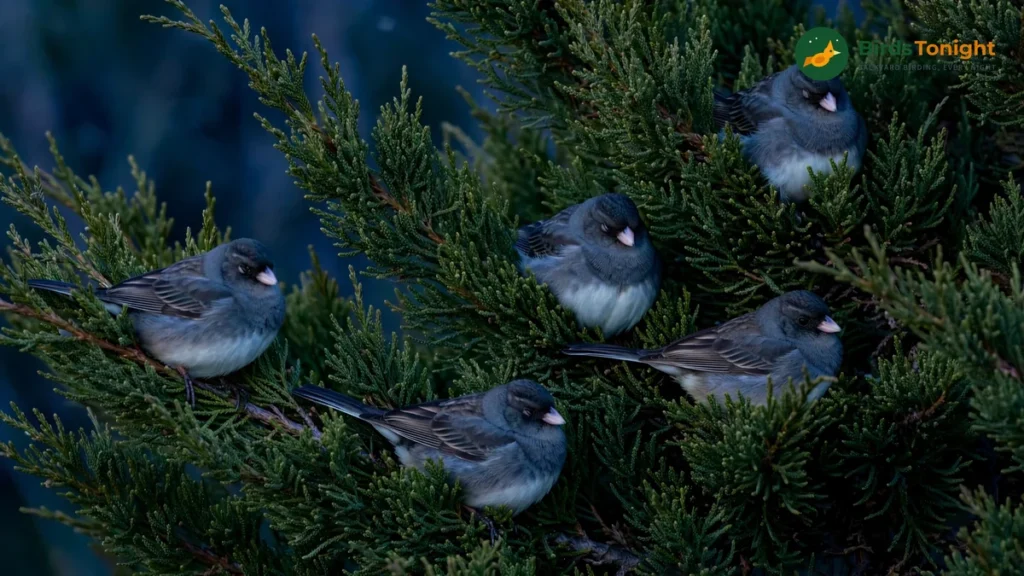
At night, the flock roosts together in thick shrubs, low trees or ivy on a wall. Roosting in a group helps the birds stay warm and safe through long winter nights. On a cold evening, you may see the whole flock slip into the same bush, one bird after another.
Dark-eyed Junco FAQ
Why is the dark-eyed junco called a snowbird?
People call the junco a snowbird because it arrives in most yards at the start of winter. In many places it shows up just before the first snow falls. When spring comes, it leaves again, so the bird and the snow seem to travel together.
Do dark-eyed juncos come back to the same yard every year?
Many juncos do return to the same winter grounds year after year. A yard with steady food and good cover is easy for them to remember. If your flock vanishes in spring, there is a good chance the same birds will find you again in fall.
What is the best seed to put out for juncos?
White millet is the classic junco food, and most birds take it at once. Cracked corn and fine sunflower chips are also good picks. Scatter the seed on the ground or in a low tray, because juncos rarely feed from hanging feeders.
Are dark-eyed juncos friendly to other birds?
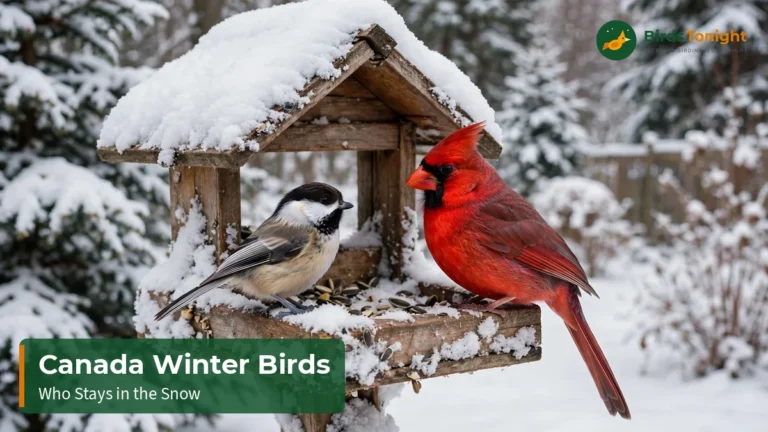
Juncos are calm birds that mix well with other small winter birds. They often feed in the same patch as sparrows, chickadees and cardinals. Inside their own flock they can squabble over food, but they seldom bother other species.
A flock of juncos under the feeder is one of the simple joys of winter. Give them seed on the ground, a pile of leaves to scratch in and a quiet corner to hide in. In return, they will keep your garden busy and lively until spring.